
Kamdem Hometech
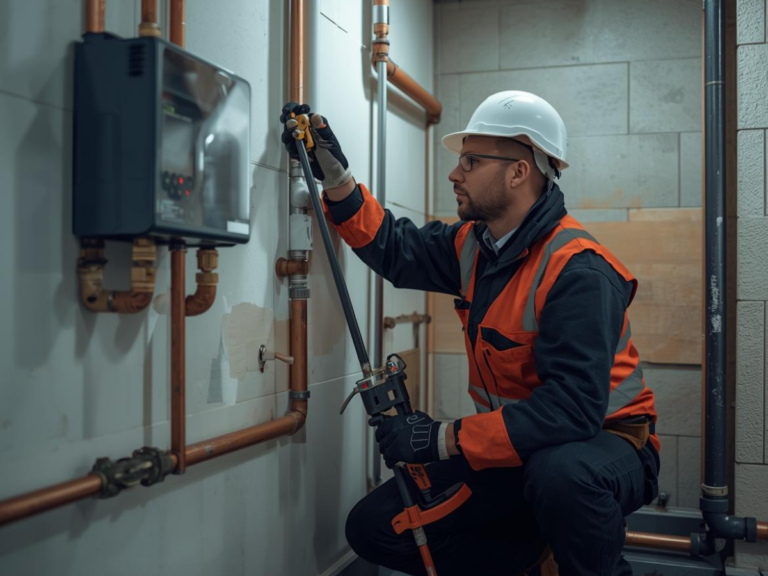
Gas pipe installation is the professional design, fitting, and testing of pipework that safely delivers natural gas or LPG from the supply point to appliances in your home or business. This critical service ensures that every joint is sealed, every connection is tested, and every component meets strict UK safety standards before gas flows through your system.
Gas pipe and appliance work is safety-critical and highly regulated in the UK. Only qualified engineers can legally carry out this work because the risks of fire, explosion, and carbon monoxide exposure are simply too high to leave to chance. Professional installation protects your family, your property, and the wider gas infrastructure from potentially devastating failures, which is why using certified professionals and understanding requirements such as gas safety certification is essential https://kamdemhometech.co.uk/gas-safety-certificate-manchester/.
This guide covers the full range of gas services you might need, including gas pipe installation, gas line installation, gas appliance installation, gas pipe repair and gas line repair, gas valve replacement, gas pressure adjustment, and gas meter installation. Whether you’re building new, renovating, or dealing with an emergency, understanding these services helps you make informed decisions about your gas systems—especially if you’re already planning heating or boiler upgrades https://kamdemhometech.co.uk/heating-solutions-and-boiler-services-in-manchester/.
https://www.hse.gov.uk/gas/supply/gas-riddor-gsmr.htm
Gas pipe installation involves several key steps that work together to create a safe, efficient system. Engineers start by planning pipe routes from the gas meter or incoming supply to each appliance location. They then select the correct pipe materials and diameters based on how much gas each appliance needs and how far it sits from the supply.
Once planning is complete, the physical work begins. This includes installing the pipework with proper supports, jointing sections together with approved fittings, and sealing every connection to prevent leaks. The final and perhaps most important step is carrying out tightness and leak testing before the system is commissioned and gas flows for the first time.
New gas pipe installation
You’ll need new gas pipe installation in several situations. New build properties require complete systems from scratch. Major renovations or layout changes often mean rerouting existing pipes or adding new runs to different rooms. Adding or upgrading gas appliances with higher demand, such as a more powerful boiler or professional range cooker, may require larger diameter pipes to maintain proper pressure—an issue commonly encountered during boiler replacements https://kamdemhometech.co.uk/boiler-installation-manchester-cost-guide/.
Safety and compliance drive every decision in gas pipe installation. Gas systems must meet strict standards set by regulations and industry best practice. Any dangerous gas escapes must be reported under gas safety legislation, and engineers follow detailed procedures to prevent incidents. Tightness testing is mandatory, with specific rules about how much pressure drop is permissible during testing periods to confirm there are no leaks anywhere in the system.
https://gasengineersoftware.co.uk/blog/gas-tightness-test-guide-procedure-permissible-drop/
Gas line installation is specialised pipework designed to safely carry combustible gas under controlled pressure. Unlike water pipes or waste systems, gas lines must meet much stricter standards because they contain fuel that could ignite if it escapes.
Gas line installation differs from other types of piping in important ways. Leak tolerances are far stricter—even tiny amounts of escaping gas are unacceptable. Every installation requires mandatory pressure and tightness testing that water systems don’t need. The materials, jointing methods, and support systems must all be rated specifically for gas service.
Several scenarios require gas line installation or extension. You might add appliances in new locations, such as fitting a gas hob in a kitchen that previously used electric cooking.
Installations in Businesses
Businesses often need to supply outbuildings or commercial kitchens that sit away from the main building, which is common in commercial plumbing environments https://kamdemhometech.co.uk/commercial-plumber-manchester/. Existing systems sometimes develop pressure drops from undersized or poorly designed lines, requiring replacement with correctly sized pipework.
The benefits of proper gas line installation extend beyond safety. Improved combustion efficiency means appliances burn gas more completely, producing better heat output. Reduced gas waste saves money on fuel bills over time. Long-term reliability means fewer shutdowns, emergency call-outs, and disruptions to your heating or cooking. When pressure testing confirms everything works as designed, you gain peace of mind that the system will perform reliably for years.
https://www.sunheating.com/how-to-test-gas-pressure-in-furnace/
Gas appliance installation covers the connection, commissioning, and testing of gas-powered equipment. This service ensures each device receives exactly what it needs—the correct gas type, proper pressure, and adequate ventilation—to operate safely and efficiently.
Several factors make correct installation crucial. The gas type must match the appliance, whether natural gas or LPG. Sealed joints prevent any leaks at connection points. Adequate ventilation removes combustion products and provides fresh air for proper burning. When any of these elements are wrong, problems follow quickly.
Incorrect installation leads to serious consequences. Poor combustion produces incomplete burning and wasted fuel. Sooting dirties the appliance and surrounding areas while indicating dangerous operation. Appliances may shut down repeatedly or display unsafe flames that lift off burners or burn the wrong colour. These aren’t just annoyances—they signal genuine safety hazards that need immediate correction, often identified during professional boiler or appliance repair visits https://kamdemhometech.co.uk/boiler-repair-manchester/.
Equipment
Gas appliance installation services typically cover a wide range of equipment. Boilers for central heating and hot water are the most common. Cookers and hobs in domestic kitchens need proper connection and flame checking. Gas fires provide supplementary heating in living spaces. Warm air heaters serve commercial or industrial buildings. Commercial catering equipment in restaurants and hotels requires specialist knowledge. Each appliance type has specific requirements for pressure, ventilation, and safety devices.
The appliance gas valve plays a critical role in safe operation. This component controls gas flow and must be set to deliver the correct pressure for that specific appliance. Professional installers understand how to configure these valves and verify proper pressure setup during commissioning.
https://hansensplumbing.com/blog/whats-the-deal-with-gas-valves-insights/
Gas Cooker Installation
Gas cooker installation requires attention to specific details that differ from other appliances. Correct positioning means leaving proper clearances around the appliance for safety and access. Connection uses either approved flexible hoses or rigid pipe, depending on the installation location and local requirements. Engineers must check that flame stability devices work correctly and that all safety features function as designed.
The final testing stage is vital. Every burner must light reliably and burn with the correct flame pattern. Ignition systems should work smoothly without repeated attempts. Safety devices like flame failure mechanisms need testing to confirm they shut off gas if flames go out. Only when all these checks pass can the installation be considered complete.
Gas Fireplace Installation
Gas fireplace installation is a specialist service with unique requirements. Flue or balanced flue design must match the appliance and room configuration. Ventilation requirements vary depending on the fireplace type—open fronted, glass fronted, or fully sealed. Room size and heat output need careful matching so the appliance neither overheats the space nor struggles to provide adequate warmth.
Aesthetic considerations matter too. Fascia alignment affects the finished appearance, and flame presentation combines efficiency with visual appeal. Modern gas fireplaces create realistic flame effects that need proper setup to look right and burn safely. Getting all these elements correct requires specialist knowledge and experience.
Different appliances impose different requirements on ventilation, flueing, controls, and safety devices. This is why specialist handling and certification by trained installers is required rather than treating all gas appliances as interchangeable. Legal and certification obligations ensure that only competent persons carry out these installations, similar to requirements applied to other specialist systems like underfloor heating https://kamdemhometech.co.uk/underfloor_heating_installation/.
https://www.hse.gov.uk/gas/supply/gas-riddor-gsmr.htm
Gas Meter Installation
Gas meter installation involves fitting a metering device between the gas network and internal pipework. This device sits at the boundary between supplier-controlled infrastructure and your private system, recording every unit of gas that flows through.
The meter serves several important purposes. Accurate billing ensures you only pay for the gas you actually use. Monitoring consumption helps identify unusual patterns that might indicate leaks or inefficient appliances. Safety isolation provides a clear point where supply can be shut off in emergencies. Modern meters may also support remote reading and smart monitoring features.
You’ll need a new or replacement meter in several situations. New connections to the gas network obviously require a meter to be fitted from scratch. Supply upgrades, such as increasing capacity for commercial premises or large domestic systems, may need a different meter size. Faulty or obsolete meters that give inaccurate readings or fail safety checks must be replaced to maintain system integrity.
Coordination requirements make gas meter installation more complex than it might appear. The gas transporter or supplier controls the upstream network and must approve meter positioning. Emergency control valve rules dictate where shut-off valves can be placed. Compliance documentation confirms that installation meets all regulatory requirements for safety and regulatory oversight. Attempting this work without proper authorisation and coordination can result in disconnection or legal issues.
https://cadentgas.com/smell-gas
Gas pipe repair and gas line repair services locate and fix leaks or damage in existing systems. These emergency and maintenance services prevent small problems from becoming major hazards, often requiring the same diagnostic skills used by experienced local plumbers https://kamdemhometech.co.uk/reliable-plumber-manchester/.
Common causes of damage include corrosion eating through pipe walls over time, physical damage from building work or accidents, failed joints where connections have worked loose or degraded, and ageing installations where materials have reached the end of their safe working life. Even small leaks need immediate attention because gas is both toxic and highly flammable.
Warning signs
Warning signs help you spot problems early. The characteristic gas smell—added deliberately to help detection—is the most obvious indicator. Hissing sounds near pipe runs suggest gas escaping under pressure. Visible bubbles during soapy water tests on exposed pipework confirm leak locations. Health symptoms such as headaches, nausea, or unusual tiredness, especially when multiple people are affected, can indicate gas exposure.
The risks of delaying gas pipe repair are severe. Fire can start from tiny sparks near leaked gas. Explosion becomes possible when gas accumulates in enclosed spaces and reaches explosive concentrations. Carbon monoxide exposure happens when incomplete combustion occurs in poorly ventilated spaces or faulty appliances. These aren’t theoretical risks—they cause deaths and serious injuries every year.
Emergency response guidance is clear. If you smell gas, open windows and doors but don’t operate electrical switches or create sparks. Leave the property immediately and call the national gas emergency service. Don’t return until a qualified engineer has checked the system and confirmed it’s safe. Quick action saves lives.
https://www.stayenergysafe.co.uk/more-on-energy-theft/gas-leaks
Gas valve replacement means removing and fitting new valves that control gas flow and isolation throughout your system. These components are critical safety devices that must work perfectly every time they’re needed.
Gas valves serve several key functions. Flow control regulates how much gas moves through the system. Pressure regulation maintains safe operating pressures for different parts of the installation. Emergency shut-off provides instant isolation when problems occur. Some valves combine multiple functions in a single unit.
Replacement becomes necessary in several circumstances. Leaks from valve bodies or stems cannot be ignored. Failure to open or close correctly means the valve no longer controls flow reliably. Corrosion or outdated design indicates the valve has reached the end of its safe service life. Even if a valve still functions, upgrading to modern designs improves overall system safety.
Modern valves
Modern valves offer significant benefits over older types. Integrated regulators combine pressure control with isolation in compact units. Automatic shut-off features respond instantly to dangerous conditions like flame failure. Improved compliance means newer valves meet current standards that older ones may not. These advances in valve technology directly translate to safer, more reliable gas systems.
https://www.valves4you.co.uk/post/understanding-the-key-features-of-modern-valve-products
Gas pressure adjustment involves setting inlet and outlet pressures to manufacturer-specified values for each appliance and part of the system. This precision work ensures everything operates within its design parameters.
Pressure matters because it directly affects how appliances perform. Efficient combustion requires the right gas-to-air mixture, which depends on correct pressure at the burner. Appliance longevity improves when components don’t work too hard or receive inconsistent supply. Safety depends on stable, appropriate pressure—too high risks leaks and over-firing, too low causes incomplete combustion.
Incorrect pressure creates noticeable problems. Noisy or lifting flames indicate pressure is too high, causing gas to escape faster than it can burn properly. Sooting on burners and heat exchangers shows incomplete combustion from low pressure. Lockouts happen when appliances detect unsafe conditions and shut themselves down for protection. These symptoms tell you that gas pressure adjustment is needed.
The professional testing process
The professional testing process uses calibrated manometers—precision instruments that measure gas pressure accurately. Engineers connect these to test points in the pipework, then read inlet and outlet pressures. Adjustment of regulators or valve screws brings readings into the permissible range specified by manufacturers. Verification with tightness tests confirms that adjustments haven’t created leaks and that the system holds pressure correctly across all operating conditions.
https://gasengineersoftware.co.uk/blog/gas-tightness-test-guide-procedure-permissible-drop/
Legal and safety obligations make professional gas services essential rather than optional. UK law requires that gas work is carried out by qualified engineers who are registered with relevant competent person schemes. Attempting DIY gas work isn’t just dangerous—it’s illegal and invalidates your insurance, something frequently highlighted when advising homeowners on choosing reliable tradespeople https://kamdemhometech.co.uk/guide-to-finding-a-reliable-plumber/.
Qualified engineers bring valuable expertise to every job. Certifications prove they have completed recognised training and passed competency assessments. Specialist tools such as calibrated manometers, leak detectors, and combustion analysers ensure accurate testing and diagnosis. Regulatory knowledge keeps installations compliant with current standards that change over time. This combination of skills, equipment, and knowledge protects you from risks that non-professionals simply cannot manage safely.
Long-term advantages
The long-term advantages of professional gas pipe installation, gas line installation, and gas appliance installation extend well beyond the initial work. Improved efficiency means appliances use less gas for the same heat output, reducing fuel bills. Lower running costs compound these savings over years of operation. Reduced risk of fines or remedial work protects you from expensive corrections that might be needed if installations don’t meet standards. Professional work done right the first time costs less overall than cheap shortcuts that fail inspections or cause problems.
https://kamdemhometech.co.uk/emergency_plumber_manchester/
Understanding the typical installation process helps you know what to expect when you book gas pipe installation or gas line repair services.
Step 1: Initial Assessment
Your journey begins with an initial assessment where engineers gather essential information. Load calculations determine how much gas your appliances need and whether existing supplies can cope. Route planning identifies the best paths for new pipes, avoiding obstacles and minimising disruption. Inspection of existing systems reveals any issues that need addressing before new work begins. A written quotation provides clear pricing based on scope and regulatory requirements, so you know exactly what you’re paying for.
Step 2: Installation or Repair
The main work phase follows a structured approach to maintain safety. Isolation of gas supply is always the first step—no work starts while gas can flow. Pipework, appliance, valve, or meter work proceeds according to the agreed plan. Ventilation and support installation ensures everything meets building regulations. Engineers follow strict procedures for jointing methods, support spacing, and pressure containment throughout this phase.
Step 3: Testing and Certification
The final stage confirms everything works safely. Tightness testing uses calibrated pressure gauges to verify no leaks exist anywhere in the system. Functional and combustion checks confirm appliances operate correctly with proper flame characteristics. Issuing safety records provides documentation that proves the work meets standards. You receive certificates or records that you’ll need for building control, insurance, and future work on the system.
https://www.sunheating.com/how-to-test-gas-pressure-in-furnace/
Don’t wait if you notice warning signs or need new installations. Contact qualified engineers immediately if you smell gas anywhere on your property—this is an emergency that requires instant action. Ageing pipework that’s decades old may need inspection even if you haven’t noticed problems yet, as degradation happens gradually. Planning appliance upgrades gives you the perfect opportunity to have your entire system checked and upgraded where necessary.
Professional gas services offer fast response when you need help urgently. Emergency support is available around the clock for suspected leaks or appliance failures. Fully compliant work gives you confidence that installations meet current standards and will pass any inspections.
For routine gas pipe installation, gas pipe repair, or appliance work, contact Kamdem Hometech’s certified engineers to arrange an assessment.
Your safety and the safety of everyone around you depends on professional gas work.
Our phone lines are open 24/7 where you can describe your needs and schedule convenient appointments with qualified professionals who carry proper insurance and certifications.
Source: Manchester City Council areas guide
https://www.manchester.gov.uk/info/200088/communities_and_neighbourhoods/7688/areas_of_manchester